Hair Stroke Eyebrows vs Microblading: Which Is Better?
In recent years, eyebrows have become a focal point in the beauty industry, with more and more people looking to enhance their brows for a fuller and more defined look.
Two popular methods for achieving this are hair stroke eyebrows and eyebrow microblading. Both techniques have their benefits and drawbacks, making it important to understand the differences between them to decide which is the better choice for you.
Main differences between hair stroke eyebrows vs microblading
While both hair stroke eyebrows and microblading are semi-permanent eyebrow treatments that aim to create a beautiful and very natural looking brow, there are a few key differences between the two techniques.
Understanding these differences can help you make an informed decision about which procedure is best suited for your needs.
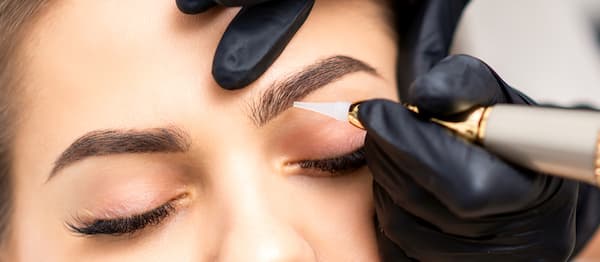
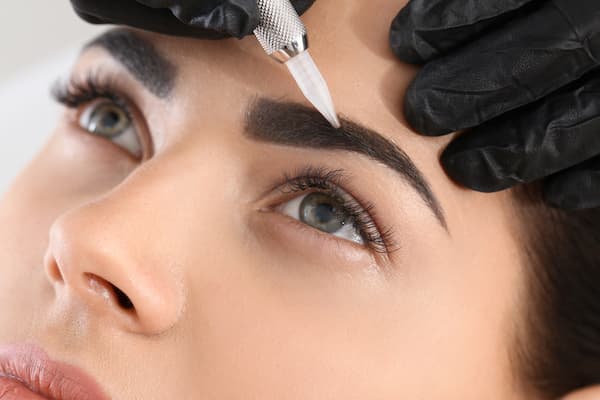
- Tools and techniques: Hair stroke eyebrows, also known as machine hairstroke or powder brows, involve the use of a specialized cosmetic tattoo machine to deposit tiny dots of pigment into the skin, while microblading uses a a manual hand tool with a row of fine needles to make small, precise cuts in the skin that mimic the appearance of natural hairs.
- Pigment retention and duration: Microbladed eyebrows last between six and 18 months, while hair stroke brows can last up to three years.
- Suitability for different skin types: The hair stroke eyebrow eyebrow technique is typically a good option for people with an oily skin type or sensitive skin. However, microblading works well for people with dry to normal skin.
Hairstroke eyebrows
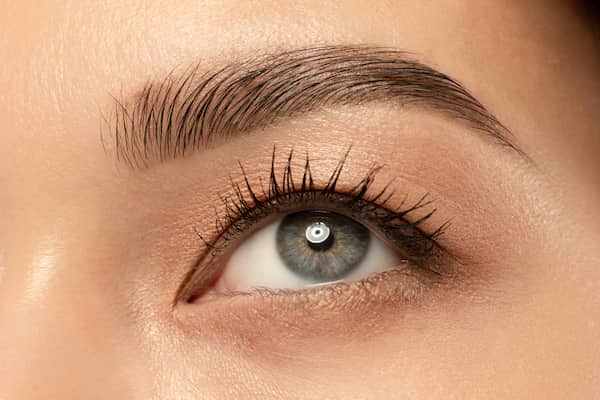
Hair stroke eyebrows, also known as feathered eyebrows, micro-feathering or eyebrow embroidery, is a semi-permanent eyebrow enhancement technique that creates individual, hair-like strokes to mimic real hair.
The goal is to create more natural-looking brows while enhancing the shape and thickness of the existing brow.
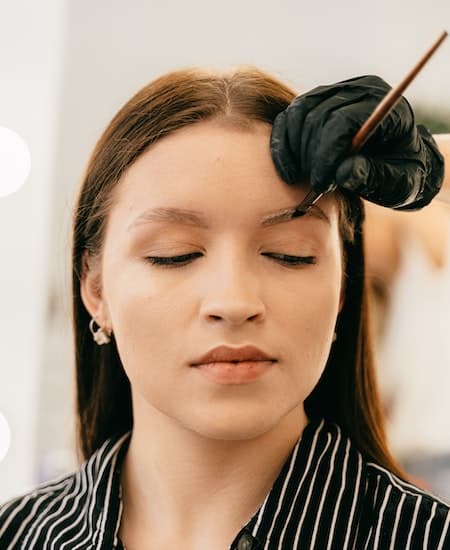
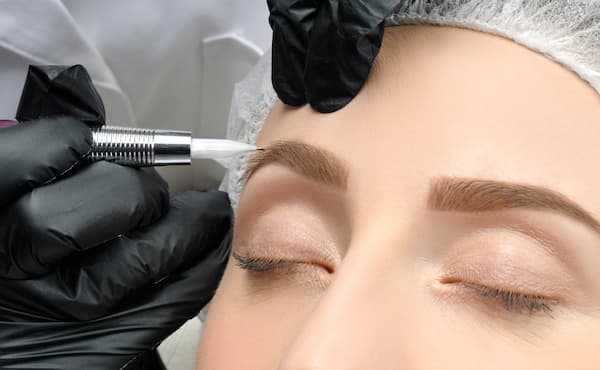
The technique for creating hair stroke eyebrows involves using a handheld machine with a fine needle to deposit semi-permanent pigment into the dermal layer of your skin – like traditional tattooing.
The machine creates thin, hair-like strokes in the skin, which can be darkened as needed by going over the line again.
A technician carefully places each stroke in the direction of your natural eyebrow hair growth pattern, creating a realistic and natural-looking brow. The process takes about 2 hours and may require a touch-up appointment after you heal.
The hair stroke eyebrows healing process is generally very quick and painless.
Pros
- Realistic and subtle brow enhancement
- Results last a long time (up to three years)
- Procedure is nearly painless
- Shape, pigment color, and density tailored to preferences
- Minimal upkeep with occasional touch-ups
- Quick & Smooth healing process
- Benefits those with hair loss from alopecia or chemotherapy
- No smudging or makeup-related issues
- Ideal for people with sparse brows who prefer the look of natural brows
Cons
- Initial cost can be pricey for some
- Touch-ups needed periodically to maintain desired appearance
- Slight risk of infection
- Possible allergic reaction to pigments
- Outcome varies by technician
- Not suitable for those with dry skin or certain medical conditions
Microblading
Microblading is a popular semi-permanent cosmetic procedure that involves the manual application of pigment into the skin to create a well-defined, fuller brow.
The microblading technique uses a handheld tool equipped with a series of fine, sterile needles to make precise, hair-like incisions in the skin, depositing pigment into the upper dermal layer.
The microblading process starts with a consultation, during which the technician discusses the client’s desired results, analyzes their facial features, and outlines the most suitable brow shape.
During a microblading service, topical anesthetics are used to minimize discomfort before the procedure. The technician then draws individual strokes, following the natural brow hair of the client’s eyebrows to ensure a realistic and harmonious outcome.
The healing process typically takes four to six weeks, during which proper aftercare is essential to avoid complications and achieve optimal results. Touch-ups, or “color boosts,” may be necessary every 12-18 months to maintain the appearance and vibrancy of the microbladed brows.
Pros
- Precise strokes provide a natural-looking, polished finish
- Suitable for most skin types
- Lasts between 12 and 18 months
- Tailored to preferences and features
- No daily makeup application needed
- Minimal upkeep, occasional touch-ups
Cons
- Some individuals may experience pain or discomfort during the procedure
- Improper aftercare or unhygienic practices can lead to infections
- The ink might not be distributed evenly at first, which means you could need additional appointments once fully healed
- Over time, the color of the microbladed brows may fade, requiring further touch-ups
- Those with medical conditions, like diabetes or autoimmune diseases, are typically not good candidates as these conditions often make the healing process much longer and more difficult
Choosing the right technique
It’s important to weigh your options before deciding whether nano hair stroke brows or microbladed brows are right for you — and there are several things you should consider.
Skin type
When selecting between hair stroke eyebrows and microblading, it’s essential to consider your skin type.
Microblading works well for most skin types, including oily or combination, while hair stroke eyebrows may be better suited for dry or normal skin types. The technique chosen should complement your skin type to ensure optimal results and longevity.
Desired look
The desired appearance of your brows is another crucial factor in your decision. Hair stroke eyebrows offer a more natural, subtle, traditional eyebrow look, while microblading provides a polished and refined appearance.
Budget
While the cost of each procedure can vary depending on the brow artist, location, and level of expertise, hair stroke eyebrows are usually more expensive. The initial cost of hair stroke brows can range from $200 to $2,000, but it’s typically in the $600 range.
Microblading has an average initial cost between $400 and $600.
Medical, skin, or lifestyle conditions
If you have a medical condition that could lengthen or alter the healing process, it’s important to consult a doctor before getting microbladed brows. This includes people with diabetes, an autoimmune disorder, or a bleeding disorder, as well as anyone who has had chemo within the past year, those who take blood thinners, and anyone taking seizure medications.
Both microblading and hair stroke eyebrow procedures aren’t recommended for pregnant or nursing women. Also, microblading isn’t a good option for anyone with keloid scars in the brow area or visibly red, post-inflammatory, or thin skin.
Preparing for your procedure
Whether you’re getting microbladed or hair stroke brows, following the prep and aftercare instructions given in your initial appointment is extremely important.
Pre-procedure instructions
In the weeks leading up to your appointment, follow the pre-procedure instructions provided by your technician. These instructions may include:
- Avoiding sun exposure, tanning beds, or sunburns, as they can affect the healing process
- Refraining from using exfoliating facial treatments, such as chemical peels, microdermabrasion, or retinol products
- Avoiding alcohol, caffeine, and blood-thinning medications, such as aspirin, to minimize bleeding during the procedure
- Ensuring your skin is clean, healthy, and free of any active breakouts or irritations
- Getting approval from your doctor
- Getting botox
Aftercare
Proper aftercare is crucial in ensuring you get the desired final result. Your technician will provide you with detailed aftercare instructions, which may include:
- Keeping the treated area clean and dry, avoiding water exposure for the first few days
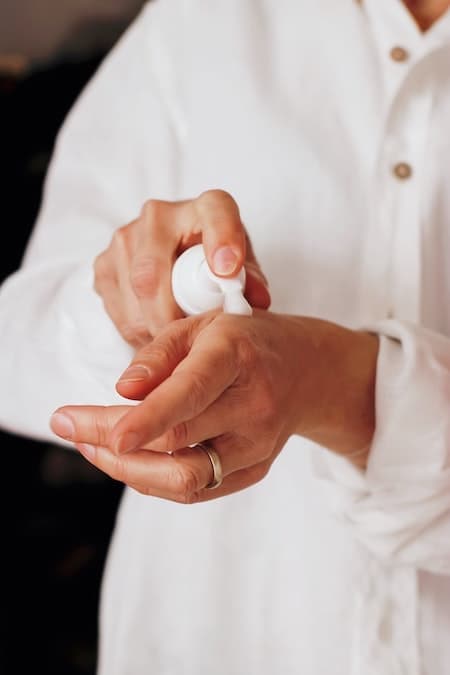
- Applying a thin layer of a recommended ointment to promote healing and prevent infection
- Avoiding direct sun exposure or the use of tanning beds for at least two weeks after the procedure
- Refraining from using makeup, creams, or other products on the treated area until fully healed
- Avoiding activities that cause excessive sweating, such as intense workouts or saunas, for at least one week
Conclusion
When it comes to hair stroke eyebrows vs microblading, both offer unique benefits and potential drawbacks for individuals seeking to enhance their brows.
By thoroughly understanding the similarities and differences between the techniques, consulting with a skilled professional, and following pre and post-procedure instructions, you can make an informed decision that best suits your needs and preferences.
Other posts you might like: